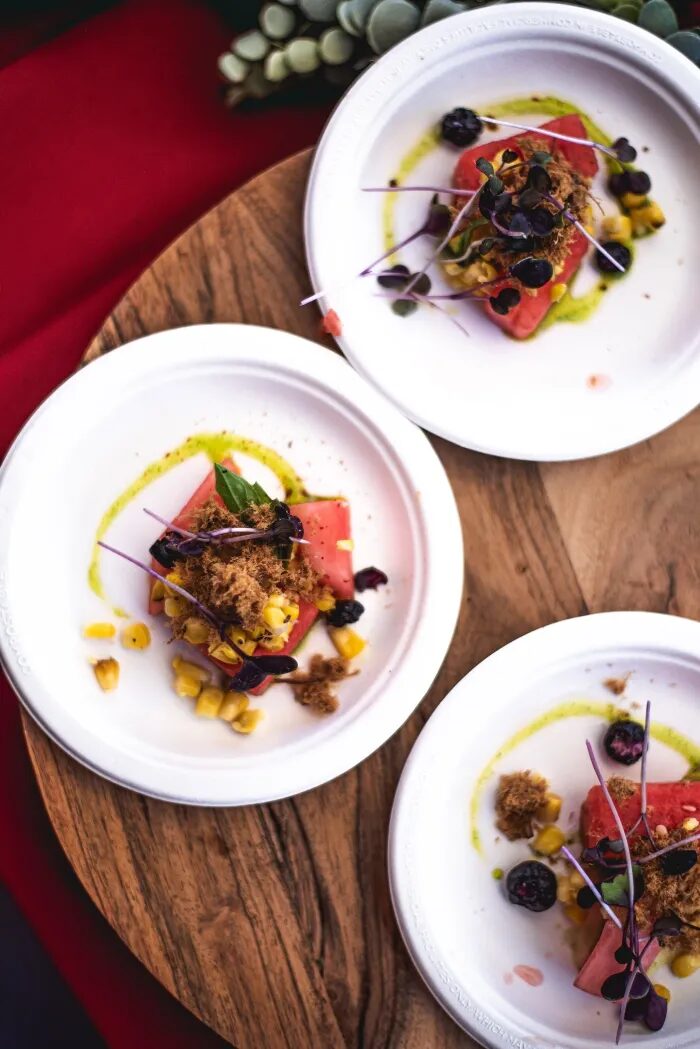
In Bali's restaurant scene, the first bite a guest takes is almost never at the table. It happens on a phone screen, scrolling through Instagram or Google Maps, deciding whether your food looks worth the trip. For restaurant owners across Bali, the photo often decides the booking long before the meal does.
That single fact is why professional food photography Bali has become less of a nice-to-have and more of a core marketing asset. This article breaks down why it matters, what separates a professional shoot from a smartphone snap, and how to know if your restaurant is ready to invest in one.
Photography Is an Investment, Not an Expense
Many restaurant owners still think of photography as a cost to minimise. In a market as visually competitive as Bali's, that mindset is expensive in the opposite direction. Every dish photographed well becomes a reusable marketing asset — for Instagram, for Google Business Profile, for delivery apps, for the menu itself. One shoot, many months of content.
Professional photography is an investment because it compounds. A strong image can be repurposed across platforms for a year or more, while a rushed phone photo is often replaced within weeks because it simply doesn't perform.
Visual Branding Builds Customer Trust
Guests in Bali — both local and international — make fast judgments. Blurry lighting, inconsistent colour tones, or awkward angles quietly signal that a business may cut corners elsewhere too. Consistent, well-lit, intentional imagery does the opposite: it signals care, quality, and consistency before a guest ever walks in the door.
This is the core idea behind visual branding: your photography isn't just documentation of your menu, it's a continuous first impression. A cafe with a strong, cohesive visual identity across its feed and listings reads as more established and more trustworthy, even if it opened last month.
Strong Images Increase Booking Potential
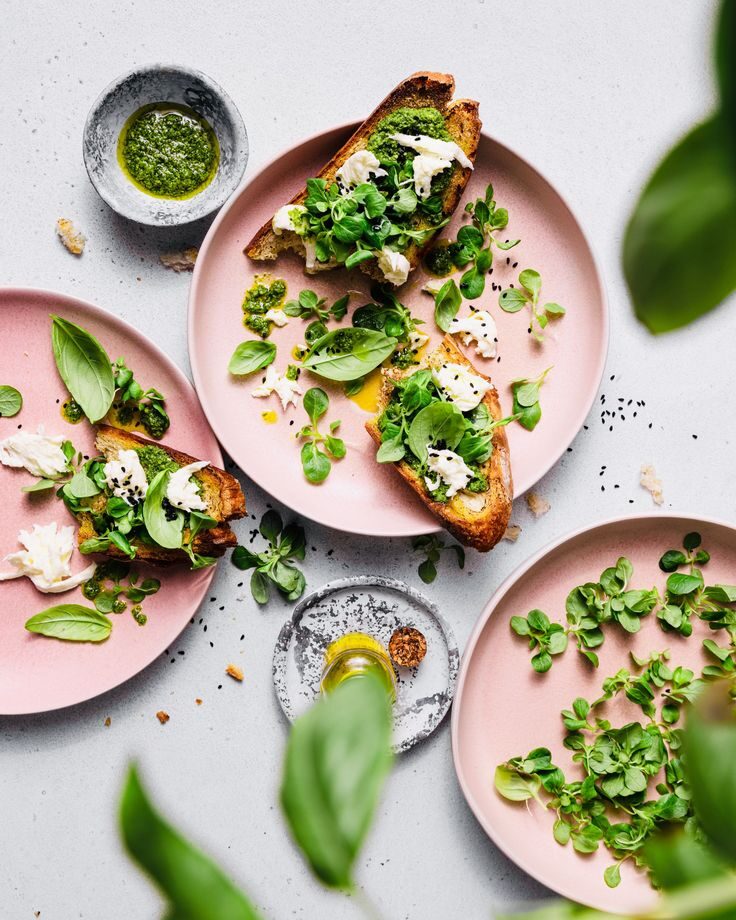
Take two cafes in Canggu with near-identical menus and pricing. One has warm, appetising photography on its Google listing and Instagram grid. The other has dim, inconsistent phone photos. In practice, the first consistently wins more clicks, more saves, and more walk-ins — because in hospitality, the image is the decision-maker's only available evidence before arrival.
We've seen this pattern repeatedly across the restaurants, cafes, and villas we've worked with in Bali: appetising, well-composed food photography consistently outperforms generic or dimly lit shots in engagement on Instagram and Google Maps, translating directly into more table bookings and reservation enquiries.
Ready to see your menu photographed the way it deserves?
Konsultasi via WhatsAppWhat Separates Professional Photography from a Phone Photo
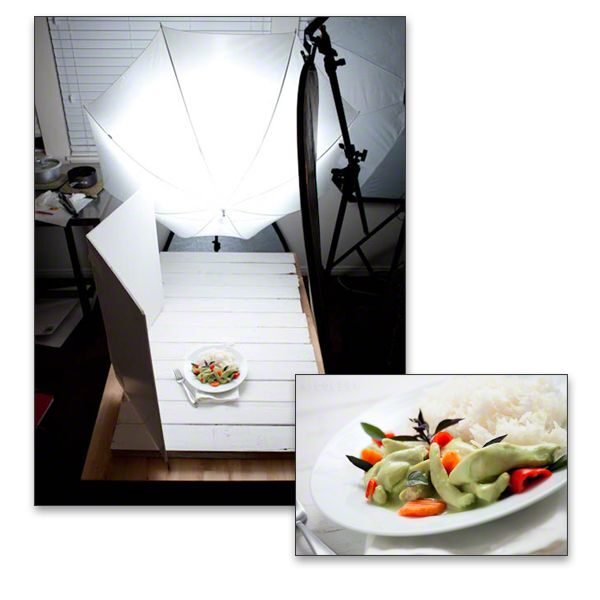
It isn't only about the camera. A professional food photography session in Bali typically involves:
- Styling the dish specifically for camera — plating, garnish placement, and steam or condensation timed for freshness.
- Controlled lighting that flatters texture and colour, rather than relying on unpredictable natural light.
- A shot list built around how the images will actually be used — menu, social feed, delivery app, or website hero banner.
- Colour grading consistent with the restaurant's existing brand palette, so every photo looks like it belongs together.
None of this is about making food look unrealistic. Good food photography should still represent what a guest will actually receive — the goal is capturing the dish at its most appetising true moment, not manufacturing a false expectation.
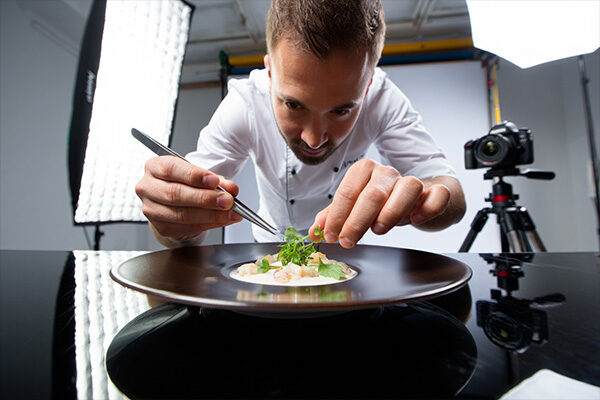
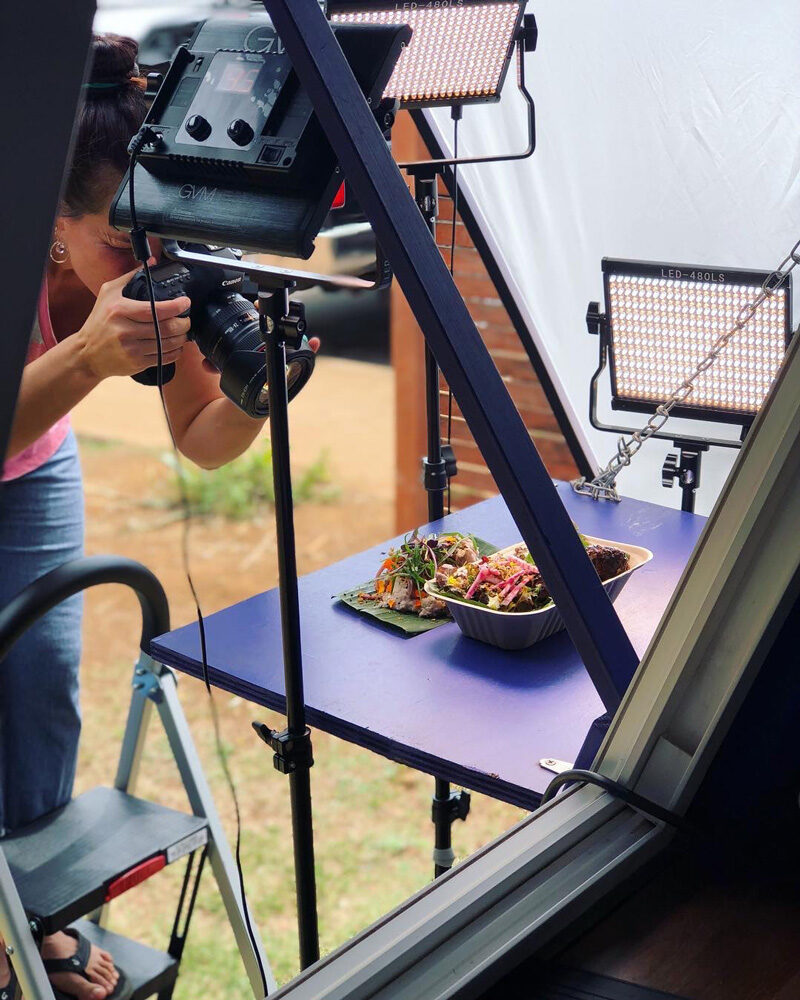
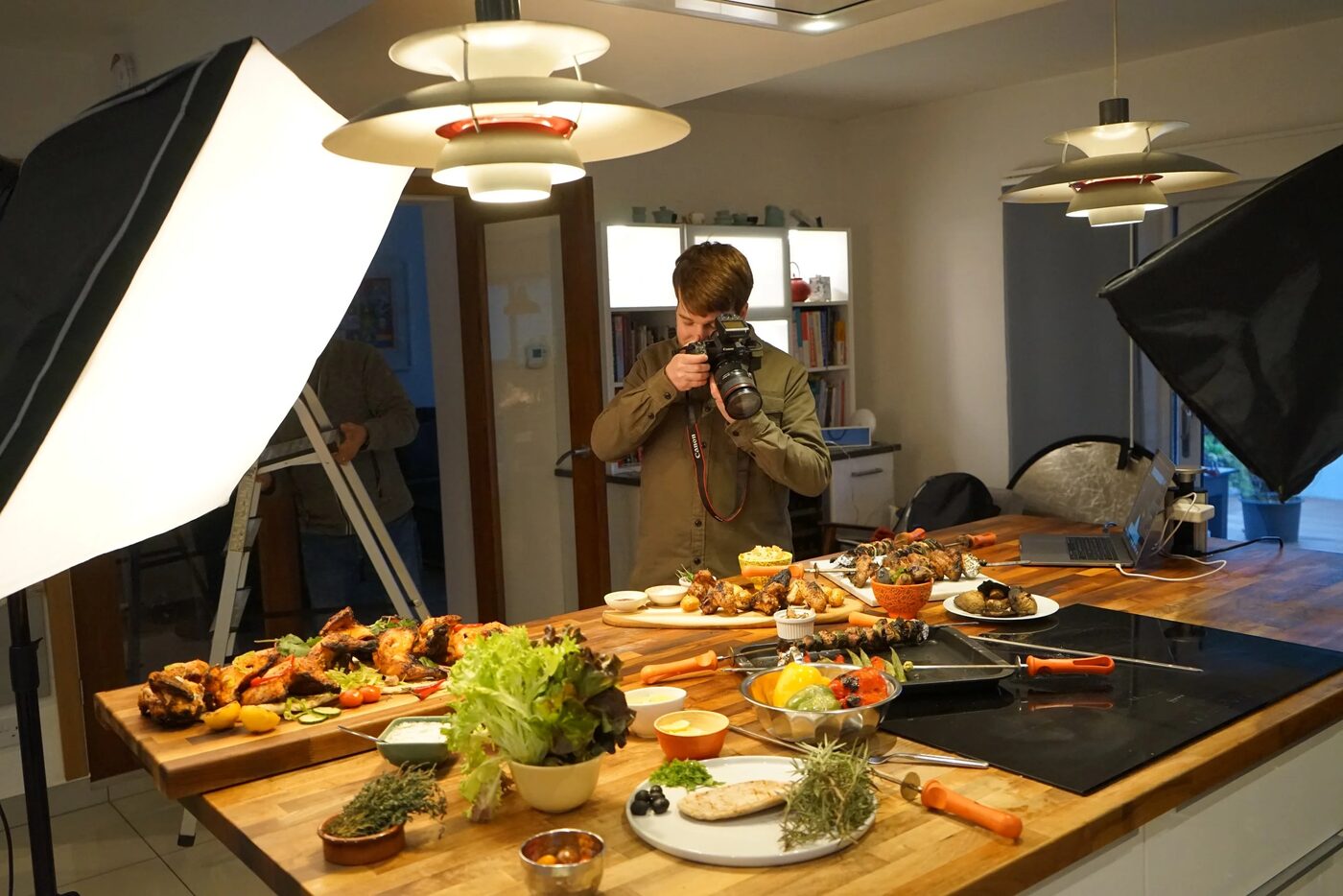
Behind the scene — proses shoot Oumah Creative di lokasi.
Where This Matters Most in Bali's Hospitality Market
Bali's hospitality businesses compete in an unusually visual environment. Tourists research restaurants, cafes, and villas almost entirely through Instagram, Google Maps, and TripAdvisor before ever setting foot on the island. That means guest experience begins online — often weeks before check-in or reservation.
For restaurants and cafes, this shows up directly in online booking behaviour and Google Maps click-through. For villas and beach clubs, it shapes how tourists shortlist a stay before comparing prices. In every case, the photography is doing marketing work long before a sales conversation happens.
How to Know If You're Ready for a Shoot
A professional shoot tends to make the most sense when a business notices any of the following:
- The current menu or feed photos are more than a year old, or were taken on different phones with inconsistent lighting.
- A new menu, renovation, or rebrand has happened and the visuals haven't caught up.
- Engagement on Instagram or Google Maps has plateaued despite consistent posting.
- There's an upcoming launch — new outlet, new concept, or seasonal menu — that needs a strong first impression.
The Takeaway
Professional photography is quality content that supports long-term marketing, not a one-off expense before a launch. Every image a restaurant, cafe, or villa publishes communicates the value of the brand behind it — and in a market as visually driven as Bali, that value is often decided before a guest ever reads the menu.
Oumah Creative is a visual branding studio based in Abiansemal, Badung, specialising in photography and content for hospitality businesses across Bali — restaurants, cafes, villas, and beach clubs. See our portfolio or get in touch to discuss a shoot for your business.